

 Back
Back
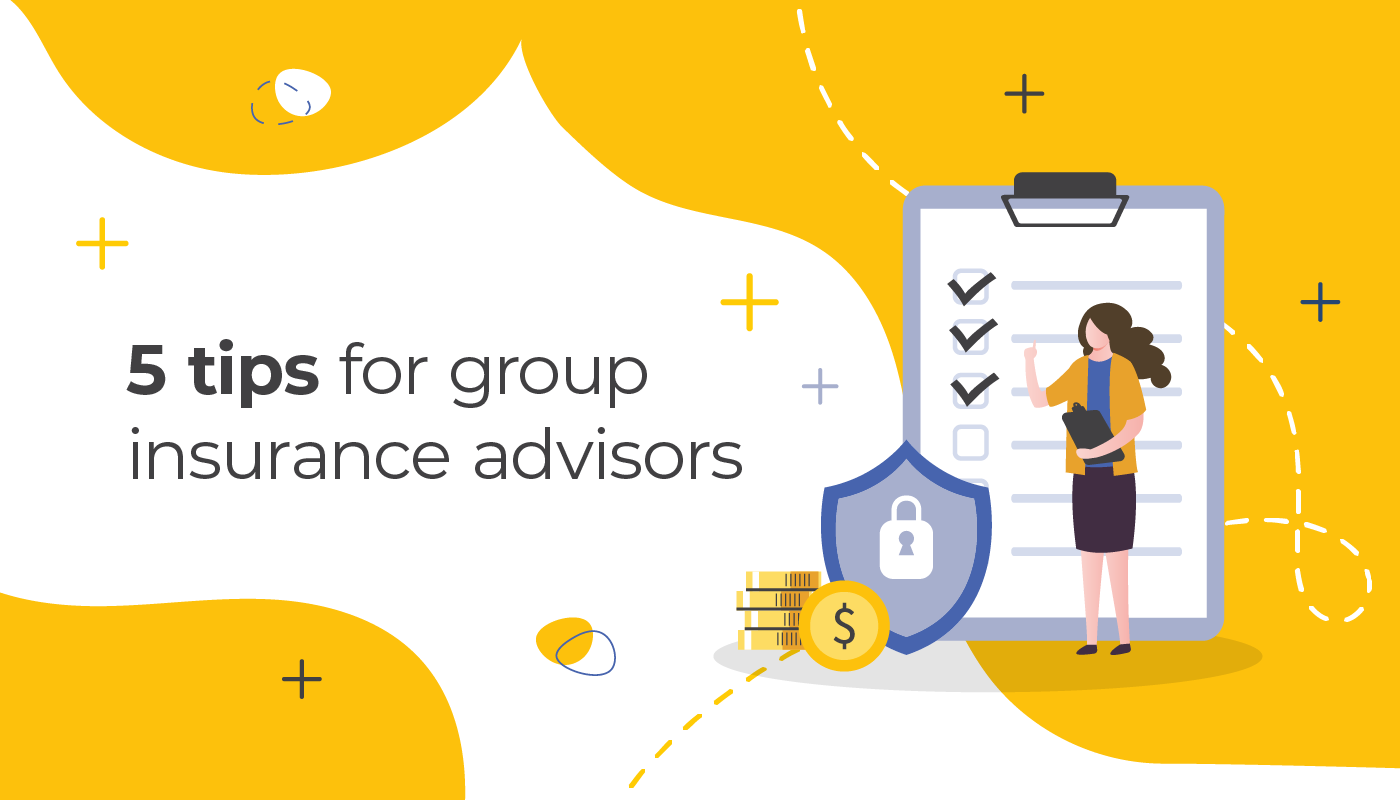
5 tips for group insurance advisors
By: Benefits by Design | Tuesday July 21, 2026
Updated : Friday July 31, 2026

Group insurance advisors play such an important role when it comes to employee health and wellness. Employee benefits inspire loyalty, help with retention, and can be a key factor in employee happiness. Having your clients trust and confidence can be the difference between helping them build the best benefits plan for their needs or checking off boxes from a list.
Here are five tips for advisors to hone your skills and build honest and collaborative relationships with your clients.
1. Don’t underestimate the power of a phone call
Being an advisor is all about relationships and trust. Hopping on the phone and giving your clients a quick call can be a great way to build rapport.
It can also prove your trustworthiness, since being on the phone means that any questions they pose will need to be answered on the spot. The chances are higher that your answer is more open and honest.
If you need to apologize for a mistake, the phone is the way to go. People can hear the sincerity in your voice, and it is much more personal than an email.
Remember to answer your phone as well. People tend to use their phone when they want an immediate answer, so by not answering or returning calls right away, you are proving to be inaccessible.
2. Technology is your friend
When it comes to customer relationships, ensuring consistent touch points is extremely important. Finding and utilizing the right CRM can make a huge difference in your relationships with your clients.
You can pre-schedule renewal negotiations and important reminders. You can also add personal information such as clients’ children’s birthdays, or wedding anniversaries, or even the anniversary of your own relationship with a long-standing client.
Companies that offer employees access to their benefits via apps and websites are now the norm. Make sure you are partnering with insurers and service providers that understand the needs of their end users and who provide easy-to-use services.
3. Set the right expectations
The adage “never over-promise and under-deliver” is so important when it comes to serving your clients. By explaining exactly what you are able to provide for them, you can quickly become their ally instead of a necessary evil.
Remember that you don’t have to go it alone either. Utilize the experience and know-how of your carrier partners or TPA’s to answer client questions about submitting claims or understanding their explanation of benefits (EOB). It’s important to make sure your clients are aware that these types of questions need to be redirected, so they do not think you are “passing the buck”.
Remind your clients that in the end, if they still have questions, they can always reach out to you, their advisor, for further explanation or understanding.
4. Be creative and focus on solutions, not problems
Consulting on group benefits can be challenging, especially given their complexity. You have the knowledge and expertise to help clients navigate this landscape.
Employee benefit costs are rising sharply, at a much steeper rate than inflation over the last 5 years. Much of this can be attributed to the increase in high-cost drugs that are on the market, some at a cost of over half a million dollars annually. This has created pressure for more innovative ways to handle these increases. Rather than simply removing benefits, or lowering pooled benefit amounts, there are creative solutions that can be applied to every situation. Remember, a problem is an opportunity for you to be there for your client.
For example, some clients may benefit from a fully pooled solution to help them stabilize their rates. While others may find that catastrophic coverage paired with a Health Care Spending Account (HCSA) makes the most sense and helps ease the premium burden for both employers and employees.
The Employee Benefits Funding Options You Probably Didn’t Know You Had
5. Specialization and continuous learning
The group insurance industry is among the most complex when it comes to insurance. That’s why the most successful advisors specialize only in group benefits. This allows them the time to understand everything thoroughly, and that’s so important for client meetings and interactions. If you aren’t able to provide your client with answers on the spot, their trust and confidence in you may erode, and they could look elsewhere.
Understandably, there is a learning curve when you first enter the industry. Never be afraid to ask questions. Even though there are many layers and levels of people involved, the group insurance industry is not that large, and you’ll find many experienced people who are willing to share their knowledge. For experienced advisors, mentoring can be both rewarding and surprising.
As the industry responds to employee demands, new products, ideas and solutions are released, meaning there is always something new to learn. One can never say group insurance is boring.
These are just the tip of the iceberg for advisors, but incorporating these basic principles will elevate you in the eyes of your clients—and isn’t that what it’s all about? Making sure Canadian employees have the right coverage for their needs.