

 Back
Back
Designing equitable benefits for employees who travel frequently
By: Benefits by Design | Tuesday January 6, 2026
Updated : Tuesday February 3, 2026

Frequent work travel shapes many employees’ daily lives and affects their health, time, and personal routines. Because of this, fair support matters more than ever. Companies need to design benefits that reflect real travel demands and daily strain. Equity means meeting different needs, not giving extras. As a result, smart planning improves trust, retention, and morale. Here, we’ll explain how to build benefits for employees who travel frequently, with a focus on fairness, clarity, and practical value for both employees and employers.
Why travel-based roles need different benefits
Employees who travel often face demands that office roles do not. Long trips affect sleep, diet, and focus, while time away from home adds emotional strain. Because of this, equal benefits do not always feel fair. Equitable support adjusts for real working conditions and daily pressure.
For example, frequent travellers deal with delays, time zones, and constant schedule changes. As a result, stress builds faster than in fixed-location roles. Companies should respond with clear, role-based support. Providing the right benefits helps employees feel valued, improves performance, and strengthens loyalty over time.
Health coverage that works on the road
Employees who travel often need health coverage that works anywhere. Local plans may fail during long or frequent trips. Because of this, access to national and international care matters. Telehealth Services help employees get support without delays. Mental health care also plays a key role during extended travel. Long days and isolation increase burnout risk.
Flexible support for employees who travel frequently improves well-being and focus. Companies should also cover urgent care visits on the road. Clear guidance reduces confusion during stress. Strong health planning shows commitment and builds trust. These steps create fair benefits for employees who travel frequently.
Fair travel allowances and expense policies
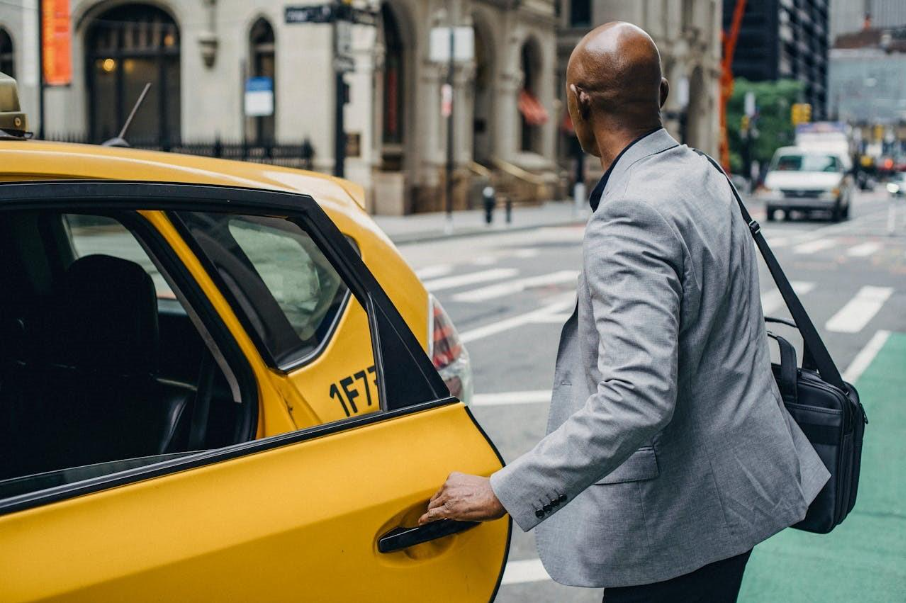
Clear expense policies reduce stress for employees who travel often. Daily costs vary by city, region, and trip length. Because of this, fixed limits may feel unfair. Flexible allowances help cover meals, lodging, and local transport. Fast reimbursement also matters. Long delays can create financial pressure. Due to this, employees may feel unsupported.
Companies should explain what qualifies as a reimbursable expense.
- Simple rules prevent confusion and save time.
- Regular policy reviews keep support relevant.
- Fair cost coverage strengthens trust and creates better benefits for employees who are frequent travellers.
Renting storage while traveling long-term
Frequent travel can disrupt home routines and living arrangements. Some employees downsize or pause housing during long assignments. In these cases, storage support becomes a practical benefit. It reduces stress and protects personal belongings. Companies that recognize the benefits of renting storage forlong-term assignments away show awareness of real employee needs. Having extra space during this time helps employees store furniture, documents, and personal items safely.
As a result, they can focus on work without worrying about their homes. Storage support also adds flexibility between trips. This option strengthens stability and supports fair, people-focused benefit planning.
Time-off policies that reflect travel fatigue
Frequent travel creates fatigue that standard time-off rules may ignore. Long flights, early meetings, and weekend travel reduce recovery time. Because of this, fair policies should allow rest after trips. Flexible PTO helps employees recharge before returning to full workloads. Companies can also offer recovery days after extended travel.
Consequently, employees return more focused and engaged. Clear rules prevent misuse and confusion. Managers should support time off without pressure. This approach respects effort and protects health.
Flexible scheduling for mobile employees
Frequent travel often disrupts normal work hours and routines. Time zone shifts can affect sleep and focus. These circumstances mean that flexible scheduling can support better performance. Employees should have control over start times when possible. Remote work between trips also helps balance demands.
That way, productivity stays steady without added pressure. Clear expectations keep teams aligned and reduce confusion. Managers should focus on results, not fixed hours. This approach builds trust and reduces burnout. Flexible schedules create fair support and strengthen benefits for employees who travel frequently across roles.
Support for family and home life
Frequent travel affects more than the employee alone. Time away places a strain on families and home routines. For these reasons, support should extend beyond the workplace. Childcare assistance can ease pressure during long trips. Eldercare support also helps employees stay focused.
In addition, home services such as cleaning or meal delivery reduce stress and enable employees to return from travel with fewer personal concerns. Clear communication about available support matters. Managers should encourage use without guilt. Strong family-focused support improves morale, stability, and long-term commitment.
Technology and safety benefits on the road
Traveling employees rely on technology to stay connected and secure. Reliable laptops, phones, and secure access tools support daily work. Because of this, companies should provide updated devices and clear usage guidelines. Safety also remains a priority during travel. Access to emergency support gives peace of mind.
Location tracking, when used responsibly, adds protection, making employees feel safer and more confident on the road. Likewise, clear instructions reduce confusion during urgent situations, while regular training helps employees use tools correctly. Strong technology and safety support protect people and keep work moving smoothly.

Listening to traveling employees regularly
Employee feedback plays a key role in fair benefit planning. Travel demands change over time. Therefore, regular input helps companies stay aligned with real needs. Short surveys can capture pain points after trips. One-on-one check-ins also create space for honest feedback and help employees feel heard and respected.
Follow-up matters just as much as asking questions. When workers see changes based on feedback, trust grows. Managers should share updates openly. Ongoing listening supports smarter decisions and keeps policies relevant, practical, and grounded in daily experience.
Building fair support for a mobile workforce
Designing fair support for frequent travellers requires clarity, empathy, and consistency. Travel affects health, time, and personal stability in real ways. Because of this, benefits should reflect actual work conditions. Clear policies, flexible options, and regular feedback create balance across teams. Equity does not mean special treatment. It means thoughtful alignment with role demands. Strong planning leads to sustainable benefits for employees who travel frequently and supports long-term organizational success. When companies plan with care, employees feel supported and trusted.
![[FREE DOWNLOAD] Group insurance Quick Tax Facts Guide for 2026](https://www.bbd.ca/wp-content/uploads/2026/02/Group-insurance-Quick-Tax-Facts-Guide-for-2026-Banner.webp)