

 Back
Back
Why preventive health benefits matter more than ever
By: Benefits by Design | Tuesday February 17, 2026
Updated : Monday March 23, 2026

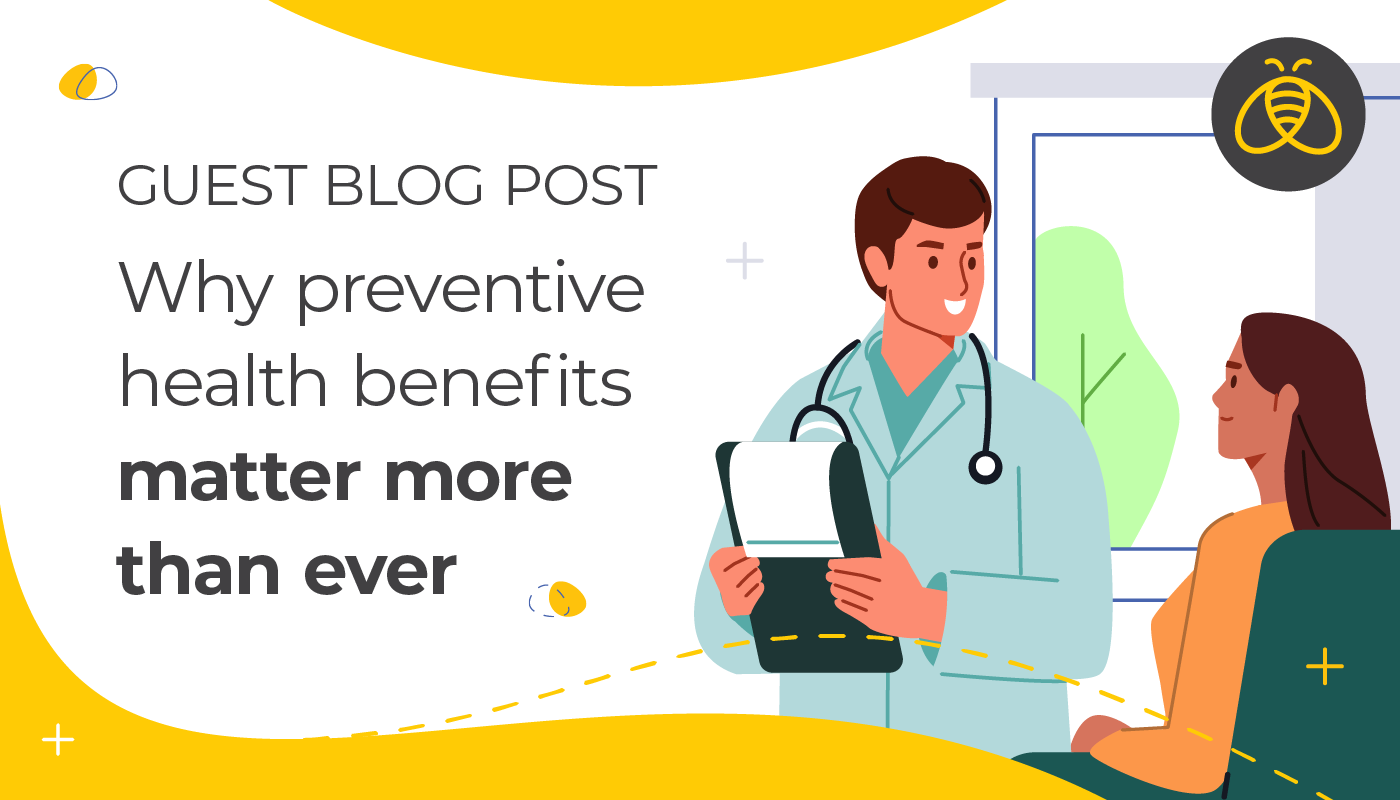
Employers face growing pressure to control costs while supporting a changing workforce. Healthcare expenses continue to rise, and employee expectations are higher than ever. In this environment, preventive health benefits play a critical role. Instead of reacting to illness, they focus on keeping employees health from the start. For employers, this proactive approach helps reduce long-term healthcare costs, limit disruption, and improve productivity.
As work becomes more complex and competitive, prevention is no longer optional. It is a smart, people-first strategy that helps employers create healthier, more resilient organizations.
Healthcare costs are rising faster than payroll
Rising healthcare costs continue to strain employer budgets across every industry. Premiums increase year after year, while unexpected claims disrupt financial planning. As a result, many employers spend more without seeing better health outcomes. reactive care plays a major role in this problem. It treats issues after they become serious and expensive.
Preventive health benefits and strategies change that pattern. By encouraging early screenings and routine checkups, employers reduce avoidable claims. Small interventions cost less than emergency treatment. Over time, this approach stabilizes spending. it also improves forecasting and benefit planning. Most importantly, prevention shifts healthcare from a cost burden to a strategic investment that protects both employees and business performance.
Prevention lowers absenteeism and presenteeism
Employee health has a direct impact on performance. When people feel unwell, productivity drops quickly. Some employees take sick days, while others work through health issues. Both situations create hidden costs for employers and teams.
Preventive care helps change this pattern. Routine checkups catch problems early, before they become disruptive. Wellness programs also encourage healthier daily habits. Over time, these efforts reduce workplace absenteeism and improve overall focus at work.
Mental health support plays an equally important role. Stress management and early intervention prevent burnout. As a result, employees stay engaged and energized. For employers, this means fewer disruptions, stronger consistency, and more reliable performance across the organization.
Employees expect benefits that support daily health
Employee expectations have changed significantly. People no longer view health benefits as emergency coverage only. Instead, they want support that fits into everyday life. That includes mental well-being, physical activity, and preventive care access.
Modern employees also understand the connection between mental and physical health and expect employers to do the same. Stress affects sleep, focus, and long-term health. When support is missing, engagement declines. Preventive health benefit address these needs early and consistently.
For employers, meeting these expectations improves retention and morale. Employees who feel supported are more likely to stay committed. Over time, daily health support builds trust, strengthens culture, and helps organizations remain competitive in a demanding talent market.
Relocation and mobile workforces change health needs
Workforces are more mobile than ever. Employee relocate for new roles, personal reason, or flexible work options. At the same time, remote and hybrid models allow people to work from almost anywhere. These shifts create new challenges for health coverage and continuity of care.
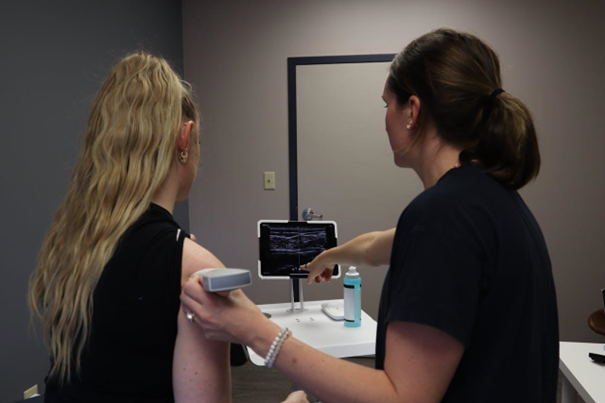
Preventive benefits help close these gaps. Consistent access to screenings, virtual care, and wellness tools supports employees across locations. This continuity matters, especially when maintaining your health while moving becomes a real concern. Without stable care, small issues can escalate quickly.
For employers, portable preventive programs reduce disruption during transitions. They also show commitment to employee well-being, regardless of location. This flexibility supports smoother relocations and stronger long-term engagement.
Early detection protects employees and budgets
Many serious health conditions develop slowly. At first, symptoms are mild or easy to ignore. Without early care, these issues often become complex and costly. That creates risk for both employee and employers.
Preventive screenings change the outcome. They help identify concerns before they escalate. Blood pressure checks, routine labs, and cancer screenings save lives and money. In this way, preventive health benefits shift care from reaction to preparation. Employers gain more predictable costs and fewer high-impact claims.
Employees also benefit from peace of mind. Early answers reduce anxiety and support faster treatment. Over time, early detection protects productivity, stabilizes healthcare spending, and creates a healthier, more resilient workforce for the long term.

Preventive health benefits strengthen employer brand
Health benefits say a lot about an employer’s priorities. When companies invest in prevention, employees notice. Health-focused programs signal long-term care rather than short-term fixes. This message matters in competitive hiring markets.
Preventive offerings also shape ho current employees feel about their workplace. When people feel supported, trust grows. Over time, consistent wellness support can boost employee loyalty and improve morale across teams. Employees are more likely to recommend employers that value well-being.
From a branding perspective, preventive health benefits create a positive story. They show responsibility, foresight, and care for people. For employers, this reputation attracts stronger candidates and supports retention. A trusted employer brand becomes a powerful business advantage.
Data-driven prevention supports smarter decisions
Preventive programs provide more than health support. They also generate valuable insights. Participation data shows what employees actually use. Screening results highlight emerging risk areas. Over time, patterns become clear.
These insights help employers refine their benefits strategy. Instead of guessing, decisions are based on real needs. That improves efficiency and reduces waste. Data also supports better forecasting and budgeting. As a result, resources are used where they matter most.
Employees benefit as well. Programs become more relevant and effective. When data guides prevention, outcomes improve. For employers, smarter decisions lead to healthier teams and stronger long-term results.
Compliance and risk management are easier with prevention
Regulatory requirements continue to evolve. Employers must balance compliance while protecting employees. Preventive care helps support both goal. Healthier workforces experience fewer incidents and lower risk exposure.
By encouraging early care, employers reduce the likelihood of serious claims. That lowers legal and financial risk over time. Preventive programs also align with workplace safety and wellness standards. As a result, audits become easier to manage.
Employees benefit from clearer access to care and guidance. Employers gain stability and peace of mind. Prevention creates a safer, more compliant environment that supports long-term business continuity.
Prevention is the smartest benefit investment employers can make
In today’s workplace, preventive health benefits protect both people and budgets. They reduce risk, improve engagement, and support long-term planning. Most importantly, preventive health benefits help employers build resilient teams. Prevention is no longer optional. it is a strategic advantage that promotes sustainable growth and healthier organizations.
Promote preventive health year round with the Health and Wellness Roadmap!
The 2026 Health and Wellness Roadmap: build your employee well-being strategy [FREE Download]
![[FREE DOWNLOAD] Group insurance Quick Tax Facts Guide for 2026](https://www.bbd.ca/wp-content/uploads/2026/02/Group-insurance-Quick-Tax-Facts-Guide-for-2026-Banner.webp)