

 Back
Back
2025 trends and predictions: accuracy review
By: Benefits by Design | Tuesday June 23, 2026
Updated : Friday August 28, 2026

Looking back at 2025 through the group insurance lens paints a picture of high-cost drugs, diabetes and weight loss drugs, as well as mental health challenges and artificial intelligence (AI).
We forecasted these would be hot topics in 2025, and we were not wrong.
Let’s take a look at how accurate we were on all the issues we looked at last year.
Chronic disease management
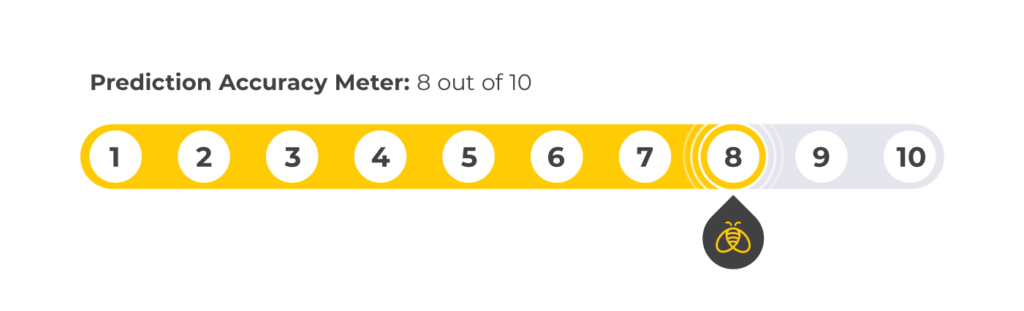
We’re giving ourselves 8/10 on this, because we nailed it for the first sub-topic, but fell a bit short on the second sub-topic.
Semaglutides, diabetes and obesity
We predicted that discussions surrounding semaglutides like Ozempic and Wegovy would ramp up, and that was an understatement.
Off-label use of Ozempic was mostly assuaged, but everyone was monitoring. It appears the concerns have been managed. According to the TELUS 2026 Drug Data Trends & National Benchmarks report, diabetes was still the top category for drug spending in 2025, at 13.2% of all claims, but that is down 4.9% over 2024. Additionally, the number of claimants declined by 5.2%. At the same time, the weight management drug category surged by 61% over 2024, indicating the off-label use had been moved to correct Wegovy prescriptions.
Diabetes continues to be a concern as 3.9 million Canadians are currently living with Diabetes, and 260,000 have prediabetes, which usually leads to type 2 diabetes. New drugs like Mounjaro are also growing in popularity, taking 4.2% of the diabetes market share in 2025.
The conversation didn’t end there, however, since the Novo-Nordisk patent on semaglutide is expiring, the active ingredient in Ozempic and Wegovy. This created a flurry of discussions surrounding generic alternatives, and the savings that might be gained.
Chronic pain management
We predicted that we would see more whole-person approaches to chronic pain management, where the underlying issues were looked at together.
According to the 2025 Benefits Health Care Survey (BCHS), 39% of plan members had either diagnosed or undiagnosed chronic pain. Sixty-one percent used medication to treat their conditions. However, 41% used regular exercise and 40% ate healthier to treat their condition, suggesting that people are using a multi-pronged approach to pain management.
Technological advancements
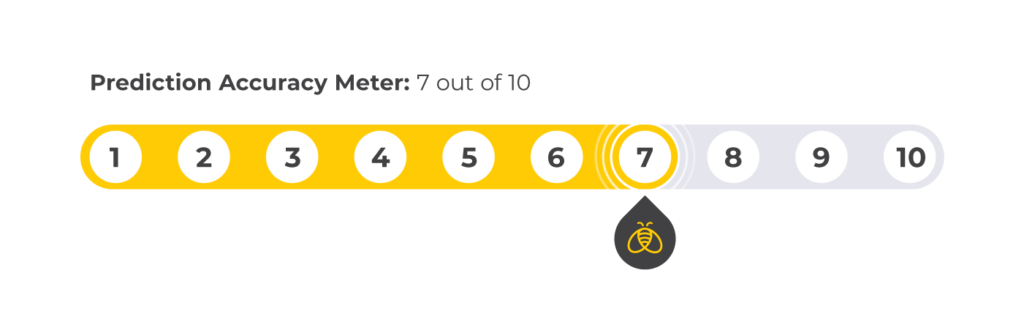
We think our accuracy on this topic was 7/10 — we’re losing 3 marks because the wellness platforms haven’t quite developed as far as we had hoped.
Digital wellness platforms
Wellness programs have become a priority for employers as they try to mitigate burnout and productivity loss, while at the same time attract and retain talent. Yet the biggest barrier to usage is inconvenience. That’s where digital platforms can help. In fact, participation goes up by 5-10% when offered digitally.
At the same time, 40% of Canadians have at least one digital wearable device, and 92% of physicians have access to a digital platform of some kind.
The largest barrier for both service providers and plan members is the fact that not all systems are compatible, causing unnecessary challenges to support. Companies have been working to address this, but the difficulties still exist.
Artificial intelligence
When we said AI would be a hot topic in 2025, we were bang on the money! We predicted growth in three areas:
- Fraud detection, which saw increased usage by the CLHIA last year to help analyse data and detect anomalies and patterns.
- Early intervention/preventive care, which has a plethora of use-cases, from early detection of cancer, to help with lifestyle changes to prevent type 2 Diabetes, to care navigation.
- Benefits and HR administration, which the Canadian HR workforce has embraced with enthusiasm, with an adoption rate of 81%.
Consolidation of tools to reduce costs
A study from the end of 2025 revealed that 90% of employers had consolidated or planned to consolidate their benefits platforms to one central location in order to streamline processes and increase ease of access.
Benefit plan costs
We’re giving ourselves 8/10 for accuracy on this one. Read on to find out why!
Drug cost increases and Universal Pharmacare
Looking at the TELUS Drug Trend Report again, specialty drugs continue to take up a larger slice of the pie, and 2025 saw a slight increase in both the share of the total eligible amount and share of claimants. Biologics and biosimilars to treat cystic fibrosis, skin disorders, anti-inflammatory diseases, and gastrointestinal conditions, along with Diabetes medication and cancer treatments were all in the top ten in 2025. All of which was easily predicted.
However, our theory that new gene therapies would be part of the rising drug costs was incorrect.
Universal Pharmacare, on the other hand, did see some positive action, with both Manitoba and Prince Edward Island implementing the program on April 15, 2025, and May 1, 2025, respectively. Nevertheless, as foreseen, it has had very little impact—about $7 per claim—on lowering plan sponsor and plan member costs, since it does not cover any high-cost medications.
Inflation
Inflation in 2025 was not volatile—it reached 2.6 at it’s highest near the beginning of the year and went as low as 1.7 several times. Despite the easing of inflation pressures, costs for goods and services did not decrease. Instead, they remained the same, which meant that employers and employees continued to pay higher amounts for medical supplies and service providers.
Data analyzation and holistic health coverage
Benchmarking and critical analysis of the data is allowing plan sponsors to make informed decisions about their benefits plans. As employers grapple with finding the right balance between offering meaningful benefits versus unutilized benefits, it’s important to note that workplace wellness programs are proving their worth. Netting a return on investment of between $1.50 to $3.92 “principally through the reduction of health-related absenteeism, lower employer health insurance premiums, and covered medical expenses, not to mention improvements in culture and worker productivity.”
Mental health
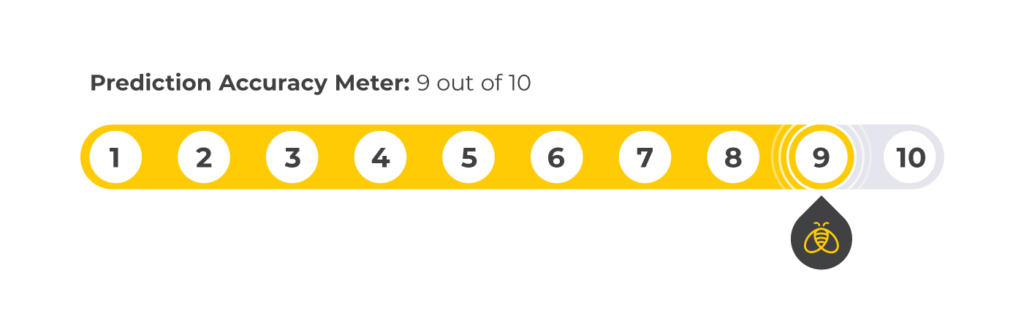
After careful consideration, we’re giving ourselves 9/10 for accuracy, due to the fact we’re still not clear on whether digital platform utilization can help with mental health outcomes.
Psychologically safe and healthy workplaces
As the labour market shifts from an employee’s market to an employer’s market, the psychological safety of the workplace often shifts with it. When employers are fighting for talent, they tend to put workplace culture and supports higher on the priority list. When it’s an employer’s market, toxicity in the workplace tends to go up in response to leaders and management taking staff for granted. Even if unintentional, these shifts have consequences, and 2025 was just the beginning.
Financial security and retirement
Financial woes did not ease throughout 2025, and according to the 2025 BCHS, the number of plan members with poor financial health increased from 21% to 25% over 2024. Employers were very aware of this, and in response, 77% offered at least one type of registered savings program. Unfortunately, for employees of companies with fewer than 50 employers, that number dropped to 44%.
Digital wellness platforms
We know we’ve already talked about these, but not in the context of mental health. Two in five Canadians will be diagnosed with a mental health condition in their lifetime. Access to mental health supports in the form of therapy, CBT, self-help tools, and mental health assessments means plan members have more options when it comes to dealing with these types of issues or conditions.
Disability insurance management
We’re giving ourselves 7/10 on this one, due to the challenges of finding any data on disability management program adoption.
Disability claims cost driver
Unsurprisingly, mental health claims continue to dominate as the top primary source of long-term disability claims, at 41% according to iA Financial group data.
Disability management programs
The numbers are clear when it comes to the efficacy of disability management programs—they can shorten return to work time by as much as half! It was difficult to find data on the uptake of these programs, however. Given the uncertain financial times, it would seem like a good safety net, but at the same time, it would be more challenging to offer one, especially for smaller companies.
Menopause and aging
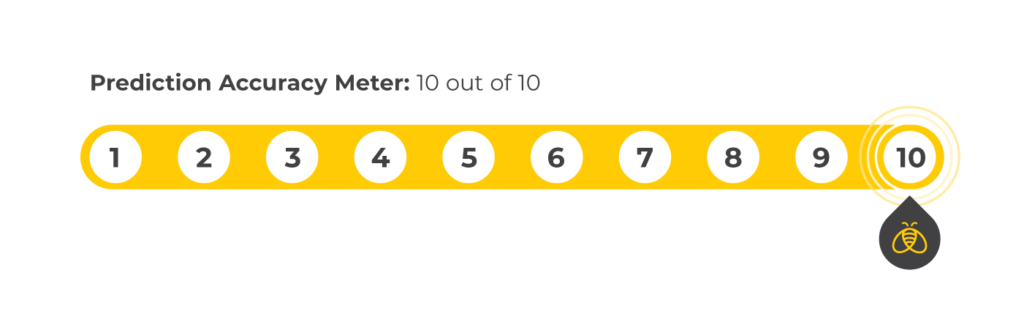
We’re giving ourselves 10/10 on this category. We think we nailed it!
Menopause
The year 2025 saw a lot of buzz around women’s health and the disparity of medical research dollars being spent on it. Plus the fact that many past studies assumed the male and female physiology were the same, and didn’t include women in tests.
The physical and mental consequences of menopause are still being discovered scientifically, but there is a lot more tolerance and acceptance for women experiencing this life changing event.
Many wellness platforms offer specific menopause supports as well, allowing women to explore on their own.
Reskilling and institutional knowledge
Canadian workers over age 65 participated at a rate of 15.2% in the labour force in 2025—an unprecedented number! Two thirds of them worked part-time, and their main reason for doing so was personal preference.
On the darker side, three quarters of Canadians do not find it easy to meet their household financial needs, leading to the conclusion that many are working out of financial necessity.
Conclusion
Last year saw improvements in women’s health discussions, AI security and assistance, as well as mental health discussions. We also saw personalization and holistic health take a seat at the table, as we come to terms with treating each person’s health issues together, rather than separately. However, high-cost drugs and their impact on benefit plan affordability was probably the biggest concern.
Out of 7 main categories, we achieved a score of 59/70, or 84%.