

 Back
Disability leave and accommodation: where benefits and employment law meet
By: Benefits by Design | Tuesday October 27, 2026


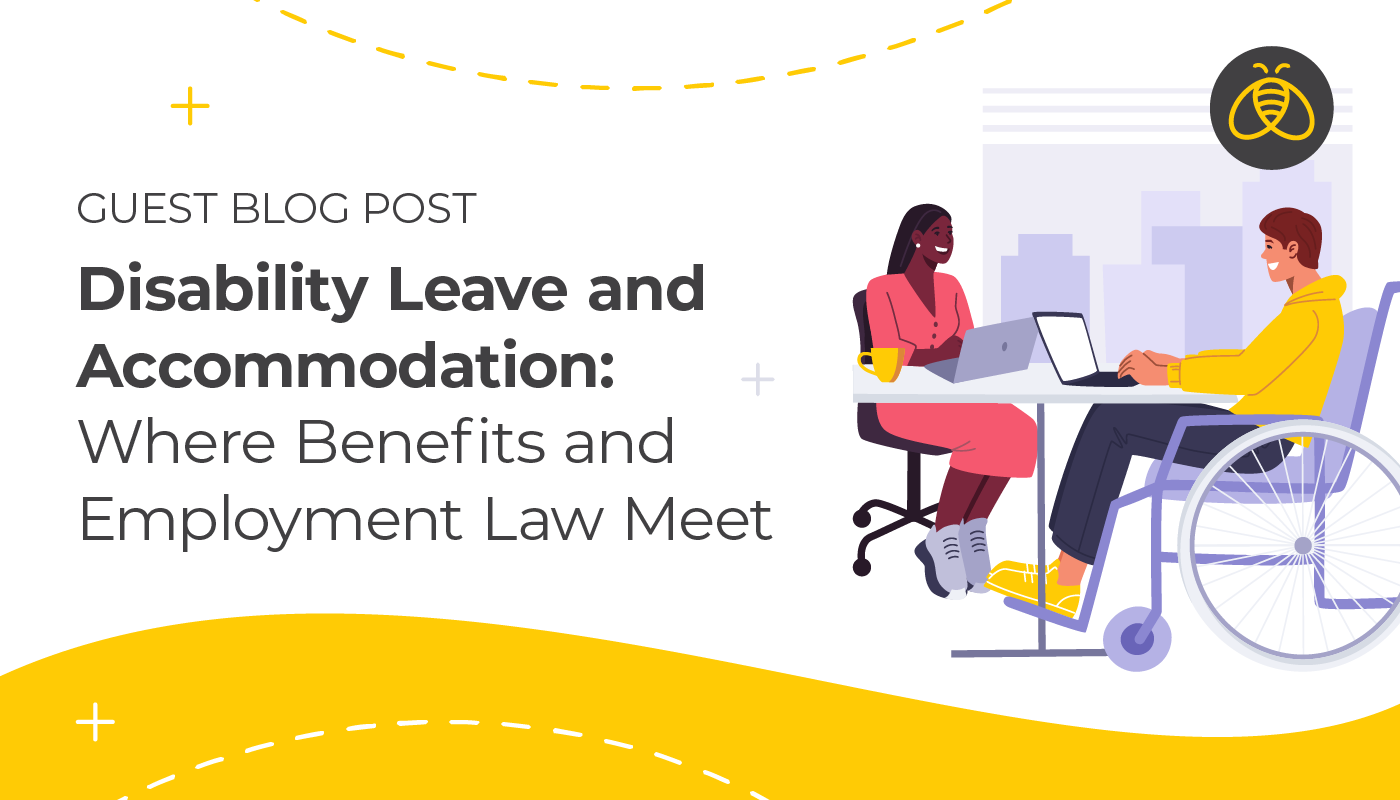
When an employee goes on disability leave, employers often turn to their benefits provider to help manage the process. Disability benefits can provide essential financial support while an employee is unable to work, and benefits administrators can help coordinate claims, medical documentation, and communication throughout the leave.
However, approving a disability benefits claim does not resolve an employer’s obligations under employment law. Employers have independent duties to accommodate employees with disabilities, protect their employment rights, and consider appropriate return-to-work arrangements. These responsibilities can continue even when an insurer has approved long-term disability (LTD) benefits or determined that an employee is unable to work.
For employers, HR professionals, and benefits administrators, understanding where benefits administration ends and employment-law obligations begin is essential. A coordinated approach can support employees during recovery while helping employers avoid costly disputes involving disability discrimination, wrongful dismissal, and failures to accommodate.
Disability benefits and duty to accommodate: not the same
One of the most common sources of confusion during a disability leave is the distinction between eligibility for disability benefits and the legal duty to accommodate. Disability benefits are governed by the terms of the applicable insurance policy or employee benefits plan. An insurer assesses whether an employee meets the policy’s definition of disability, which may include an inability to perform their own occupation or, after a specified period, any occupation for which they are reasonably suited by education, training, or experience.
Employment-law obligations operate separately. Under Ontario’s Human Rights Code, employers have a duty to accommodate employees with disabilities to the point of undue hardship. This may involve modifying job duties, adjusting schedules, providing equipment, changing workplace practices, or considering alternative work arrangements.
The two assessments can overlap, but they are not interchangeable. An employee may qualify for disability benefits while still being able to perform certain duties with appropriate accommodation. Conversely, an insurer’s decision that an employee no longer meets the policy’s definition of disability does not automatically establish that the employee can return to their previous position without restrictions.
Employers should therefore avoid treating an insurer’s decision as the final word on an employee’s workplace capabilities. Benefits eligibility and workplace accommodation require separate consideration, even when they rely on some of the same medical information.
Understanding the employer’s legal obligations during disability leave
An employee’s absence does not eliminate the employment relationship or suspend the employer’s human rights obligations. Under the Human Rights Code, employers must accommodate disability-related needs to the point of undue hardship. In practice, this requires an individualized assessment rather than a blanket approach to employees on medical leave.
For example, an employee recovering from a serious injury may be unable to perform all the duties of their position but could return gradually with reduced hours, modified responsibilities, or temporary restrictions on physical activity. Depending on the circumstances, these adjustments may allow the employee to resume productive work without compromising their recovery.
Employers are generally expected to participate in a meaningful accommodation process. This includes communicating with the employee, seeking relevant information about their functional limitations, identifying possible accommodations, and assessing whether proposed arrangements are workable.
The duty to accommodate does not require employers to eliminate essential job requirements or accept every requested arrangement. However, employers must assess the individual circumstances and demonstrate that they have considered reasonable options before concluding that accommodation is not possible without undue hardship.
Importantly, the fact that an employee is receiving LTD benefits does not automatically justify terminating their employment. A decision to end the employment relationship while an employee is on disability leave can raise significant concerns, particularly if the decision is connected to the employee’s disability or if accommodation options have not been adequately explored. Employers should obtain employment-law advice before making decisions about termination, job status, or the continuation of benefits for an employee on disability leave.
The role of benefits providers in the disability accommodation process
Benefits providers play an important role in helping employers and employees navigate disability claims. They may coordinate medical assessments, explain policy requirements, communicate benefit decisions, and facilitate information-sharing relevant to a potential return to work.
However, the employer remains responsible for meeting its own legal obligations. A benefits provider’s approval, denial, or termination of a claim does not transfer the employer’s duty to accommodate.
This distinction makes communication between employers, employees, insurers, and other relevant professionals especially important.
Consider a situation in which an employee has been receiving LTD benefits for several months. The insurer determines that the employee may be capable of performing some form of work, but the employee’s medical information indicates that they cannot yet resume their regular duties.
Rather than assuming the employee must return immediately or can no longer remain on leave, the employer should consider what the available information says about the employee’s functional abilities. The next steps may include obtaining updated medical information, discussing restrictions with the employee, assessing modified duties, and determining whether a gradual return-to-work plan is appropriate.
Benefits providers can help clarify the status of a claim and explain applicable policy requirements. Employers should use that information as one part of a broader accommodation process, rather than relying on it as a substitute for an independent workplace assessment.
Clear communication also helps reduce misunderstandings about who is responsible for each decision. Employers should ensure that employees understand the distinction between their disability claim and their employment status, including any applicable benefit continuation rules and workplace requirements.
Planning a safe and effective return to work
A return to work is not always a single event. Depending on the employee’s circumstances, recovery may involve a gradual transition, temporary restrictions, or ongoing accommodation. A structured
return-to-work plan can help employers support the employee while maintaining operational continuity.
1. Focus on functional abilities rather than diagnoses.
Employers generally need information about how an employee’s condition affects their ability to work, not unrestricted access to their medical history. Relevant information may include limitations on lifting, standing, concentration, scheduling, or other job-related activities.
2. Start planning before the expected return date.
Where appropriate, employers should begin discussing return-to-work arrangements while the employee is still on leave. Early communication can help identify potential barriers, clarify expectations, and allow time to arrange temporary changes to the employee’s duties or schedule.
3. Consider gradual or modified work arrangements.
Depending on the employee’s restrictions and the nature of the role, possible accommodations may include reduced hours, a gradual increase in responsibilities, modified duties, ergonomic adjustments, or temporary changes to the work environment.
4. Establish a plan for reviewing progress.
A return-to-work plan should identify the employee’s initial duties, any restrictions, the expected schedule, and when the arrangement will be reviewed. Regular check-ins can help determine whether the accommodation is effective or whether adjustments are needed.
5. Maintain clear, respectful communication.
Employees should know whom to contact when they have questions or concerns, what information they are expected to provide, and how workplace decisions will be communicated. Employers should also coordinate appropriately with benefits providers while respecting privacy requirements and the boundaries of each party’s role.
These steps can help create a return-to-work process that is both practical and consistent with the employer’s legal obligations.
Common mistakes that can lead to employment law disputes
Even employers with well-established benefits plans can face legal exposure when disability claims are handled without sufficient attention to employment law. Several recurring mistakes deserve particular consideration.
- Assuming an LTD decision determines employment status. An insurer’s decision to approve or discontinue benefits does not, by itself, establish whether an employee can perform their job, whether accommodation is required, or whether termination is legally justified.
- Failing to communicate with an employee on leave. A lack of communication can prevent employers from obtaining relevant information and identifying accommodation options. Employers should maintain appropriate contact without creating undue pressure to return.
- Requesting excessive or irrelevant medical information. Employers should seek information reasonably necessary to understand functional limitations and accommodation needs, rather than requesting unrestricted medical records as a routine practice.
- Treating disability leave as a reason for termination. Ending employment because an employee has a disability or requires accommodation may create significant human rights exposure. Employers must assess the facts carefully and consider their legal obligations before making employment decisions.
- Overlooking contractual and statutory entitlements. Disability leave may also affect questions involving benefit continuation, termination provisions, notice entitlements, and other employment rights. A severance calculator can also provide an initial estimate of termination-related payments.
The consequences of mishandling a disability leave can extend beyond the immediate dispute. Employers may face human rights claims, wrongful dismissal litigation, and associated legal costs, while also damaging employee trust and workplace morale.
Building a coordinated approach to disability management
Effective disability management requires cooperation between employers, employees, benefits providers, and relevant medical professionals. Each party has a different role, but the process works best when responsibilities are clearly understood.
Employers can reduce risk by establishing written procedures for disability leaves, identifying who is responsible for communicating with employees and insurers, and ensuring that HR personnel understand the distinction between benefits administration and accommodation obligations.
It is also helpful to review workplace policies regularly. Procedures should address how medical information is requested and protected, how accommodation requests are assessed, how return-to-work plans are developed, and when legal advice should be obtained.
Benefits providers can support this process by communicating policy requirements clearly, identifying relevant claim milestones, and helping coordinate information where appropriate. Employers, in turn, should ensure that benefits decisions are considered alongside their obligations under employment standards legislation, human rights law, and applicable employment agreements.
When a situation becomes complicated, early legal advice can help clarify the employer’s obligations before a decision creates unnecessary exposure. This is particularly important where an employee has been on leave for an extended period, the insurer has changed its assessment, the employee may be unable to return to their former position, or the employer is considering termination.
The bottom line
Disability benefits are an important part of supporting employees who cannot work because of illness or injury, but they are only one component of the broader employment relationship. Employers must continue to consider their independent obligations to accommodate disability-related needs, protect employee rights, and assess appropriate return-to-work options.
For benefits providers and employers alike, recognizing the distinction between insurance decisions and employment-law responsibilities is essential to managing disability leaves effectively. A coordinated, individualized approach can help employees navigate recovery while allowing employers to make informed decisions, meet their legal obligations, and reduce the risk of costly disputes.
Roberts & Obradovic Employment Lawyers help employers navigate complex employment-law issues, including disability leave, workplace accommodation, and return-to-work planning. Obtaining legal guidance when questions arise can help employers understand their obligations and address potential risks before they escalate into disputes.
This article was written by Danijela Obradovic, Founding Partner and Employment Lawyer at Roberts & Obradovic Employment Law. She represents a wide range of clients across Canada, including executives, managers, and non-management employees, advising on wrongful dismissal, termination without cause, constructive dismissal, and severance negotiations. Danijela is known for her practical, client-focused approach and her commitment to helping employees secure fair outcomes in workplace disputes.