

 Back
Back
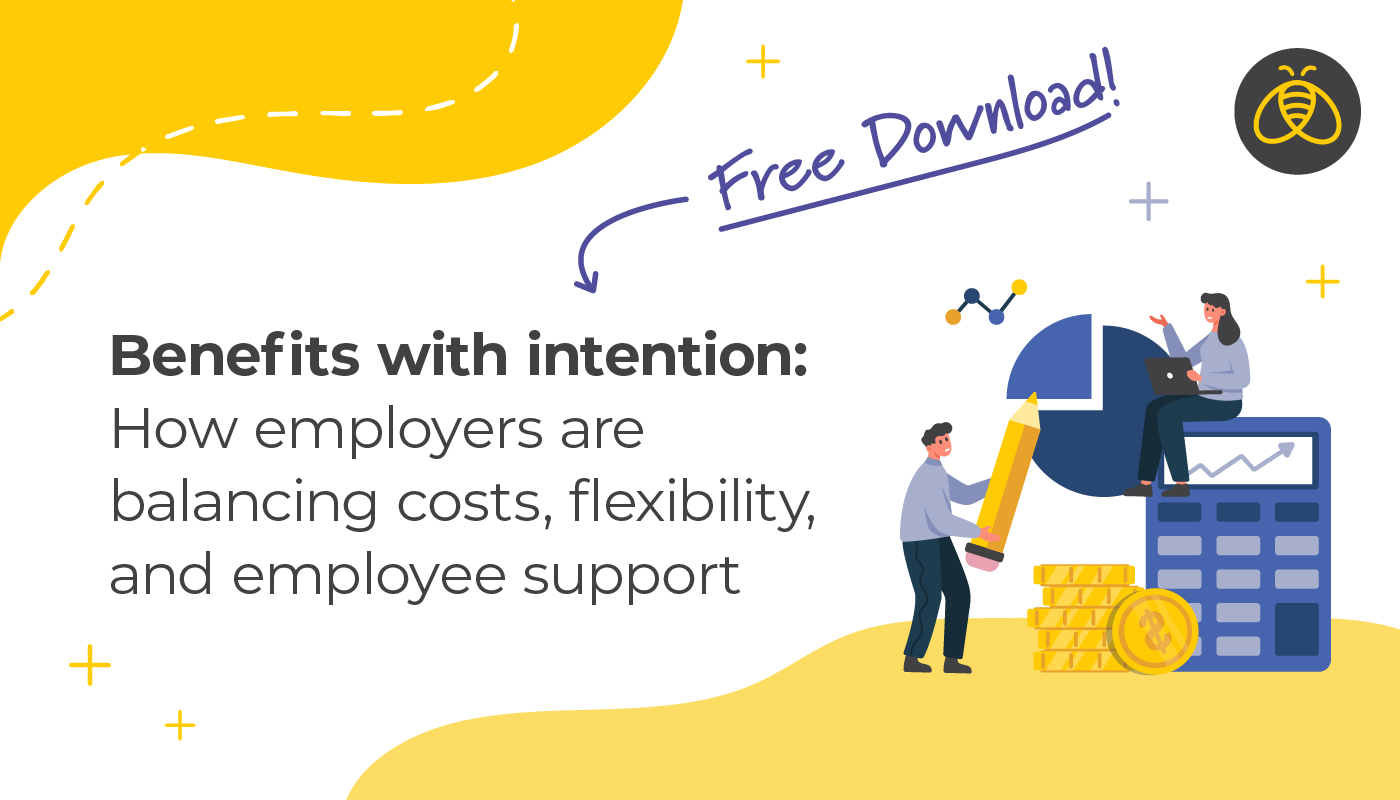
Benefits with intention: How employers are balancing costs, flexibility, and employee support
By: Benefits by Design | Tuesday October 13, 2026
Updated : Friday October 9, 2026

Employee benefits plans are being pulled in two directions at once.
On one side, employers continue to face rising costs and financial pressures. On the other, employees are looking to benefits plans for more support, flexibility, and access to care. Balancing these competing priorities is becoming one of the most important challenges in benefits planning.
For employers, the question is no longer simply whether to offer benefits. It’s how to design a plan that delivers meaningful value to employees while remaining sustainable over the long term.
The findings from Benefits by Design’s (BBDs) 2026 Canadian Group Benefits Benchmarking Report reveal that many Canadian employers are taking a thoughtful approach to that challenge. Rather than scaling back benefits, organizations are refining their strategies, maintaining strong foundational coverage while selectively investing in solutions that address evolving workforce needs.
From offering more to offering what matters most
For years, discussions about group benefits often focused on staying competitive and keeping pace with market offerings. While competitiveness remains important, many employers are now asking a different question:
How can we create a benefits plan that delivers meaningful support while making the best use of every benefits dollar?
This shift reflects the realities employees and employers are facing today. Many Canadians are juggling financial pressures, caregiving responsibilities, chronic health conditions, mental health concerns, and challenges accessing timely healthcare. At the same time, businesses are navigating economic uncertainty and rising plan costs.
As a result, benefits design is becoming more intentional. Rather than adding benefits simply for the sake of having more coverage, organizations are looking for solutions that address real needs, deliver value, and support employees throughout different stages of life.
The foundation remains strong
While benefits strategies are evolving, core benefits continue to play a central role.
Health care, dental care, life insurance, and disability coverage remain among the most common benefits offered by Canadian employers. These foundational benefits continue to provide the protection and support employees rely on when facing everyday healthcare needs or unexpected life events.
This consistency is significant. Despite ongoing financial pressures, employers continue to prioritize the benefits that help employees manage their health, protect their income, and support their families.
The benefits landscape may be changing, but employers are not abandoning the fundamentals. Instead, they are building upon them.
Flexibility is becoming a key part of benefits design
Today’s workforce is far from one-size-fits-all. Employees bring different health concerns, family situations, priorities, and expectations to the workplace. A benefits plan that works well for one employee may not provide the same value to another.
This is one reason flexible solutions continue to gain traction. Health care spending accounts (HCSAs), for example, give employees greater choice in how they use their benefits dollars while providing employers with predictable annual costs. The continued growth of HCSAs reflects a broader shift toward personalization and employee choice.
Flexibility is no longer viewed as an optional enhancement. Increasingly, it is becoming a practical way for employers to accommodate diverse workforce needs while maintaining financial sustainability.
Supporting employee well-being in new ways
Another area of evolution is how organizations define employee support.
Traditional benefits plans have long focused on reimbursing eligible healthcare expenses and providing financial protection. While those elements remain essential, many employers are also looking at ways to help employees access support earlier and more easily.
The growing adoption of Employee Assistance Programs (EAPs) demonstrates this shift. As conversations around mental health continue to gain prominence, employers are increasingly recognizing the value of providing confidential counselling and support resources that help employees navigate both personal and workplace challenges. EAP adoption among BBD clients increased from 24% to 26% between 2025 and 2026.
Virtual care is following a similar trajectory. As many Canadians continue to experience challenges accessing primary care, employers are turning to solutions that can help employees connect with healthcare professionals more quickly and conveniently. Adoption increased from 8% to 11% year over year, representing one of the fastest-growing benefits tracked in this year’s report.
Both trends point to a common objective: helping employees access support when and where they need it.
Managing costs without sacrificing value
Perhaps one of the most interesting findings from this year’s report is that many employers appear to be pursuing strategies that balance financial realities with employee support.
While benefit costs remain a concern, the data suggests organizations are not responding by broadly reducing coverage. Instead, some employers are exploring alternative funding approaches and modest adjustments to cost-sharing arrangements as a way to preserve their benefits programs.
This reflects an important shift in thinking.
Cost containment and employee expectations are often framed as competing priorities. In practice, however, the most effective benefits strategies frequently focus on maximizing value rather than minimizing spending.
That may mean investing in benefits employees actively use, introducing greater flexibility, improving access to care, or identifying opportunities to better support employee well-being. Often, thoughtful plan design can have as much impact as the size of the investment itself.
Looking ahead
The 2026 Canadian Group Benefits Benchmarking Report paints a picture of employers that are adapting rather than retreating.
Core benefits remain the foundation of most plans, while flexible solutions, mental health supports, and improved access to care continue to gain momentum. More importantly, employers appear committed to finding sustainable ways to support their people despite ongoing economic pressures.
The future of employee benefits may not be defined by offering more benefits. It may be defined by offering the right benefits, in the right way, at the right time.
That’s what intentional benefits design is all about.
Want to see how your benefits plan compares? Or explore current trends, uncover emerging opportunities, and gain valuable insights to help inform your benefits strategy.
Download the 2026 Canadian Group Benefits Benchmarking Report