

 Back
Back
How housing costs are reshaping what employees need from benefits
By: Benefits by Design | Tuesday July 7, 2026
Updated : Friday July 3, 2026

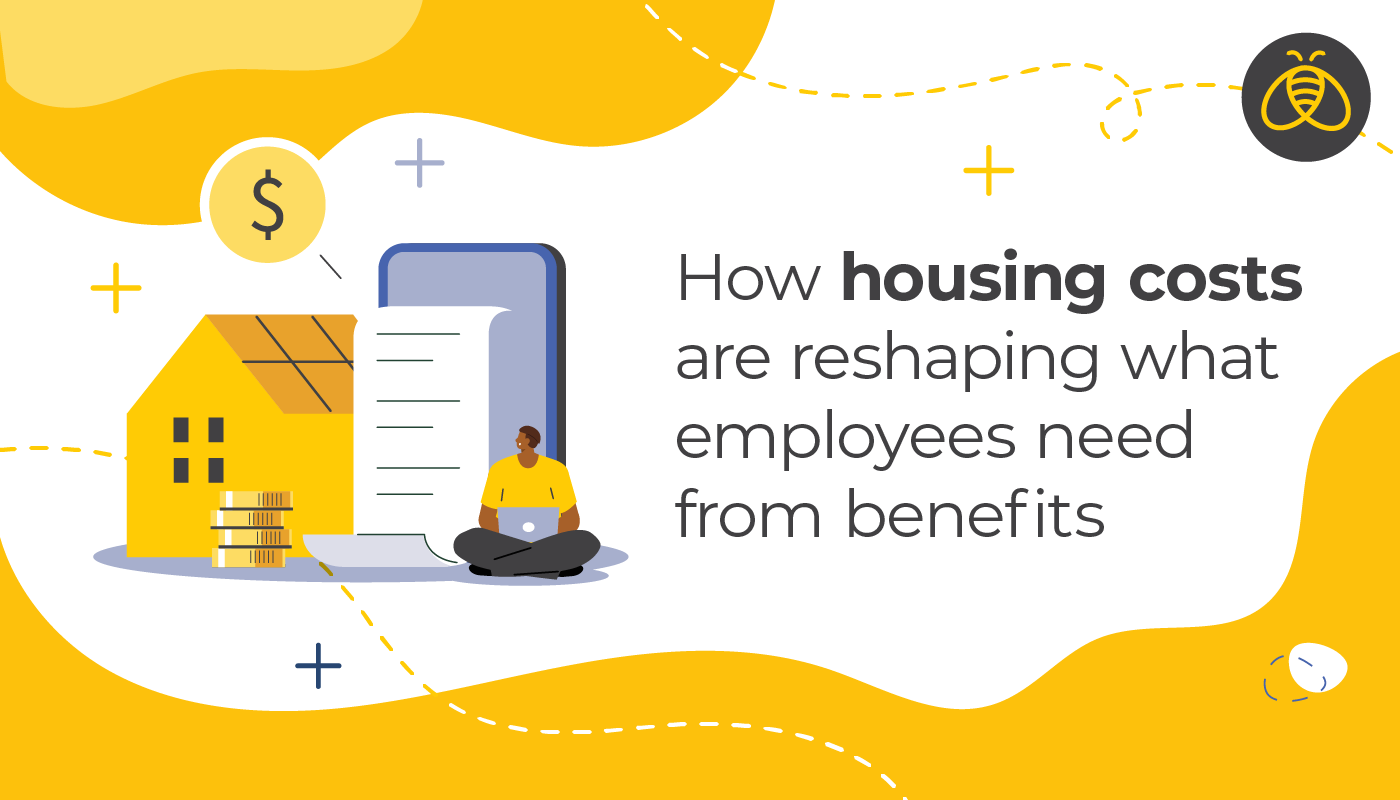
When a valued employee hands in their resignation and cites “cost of living,” housing is almost always part of the story. Across Canada, housing costs have climbed faster than wages for years, and that gap is quietly reshaping what employees expect from their workplace benefits. Employers who recognize this shift early have a real opportunity: those who don’t risk losing people to organizations that do. Understanding how to build a healthy workplace by focusing on financial wellness starts with understanding what’s actually stressing your employees out right now. For many, it’s their housing situation.

Why housing stress is now a workplace issue
Financial stress doesn’t stay at the door when employees come to work. Research consistently links money anxiety to reduced focus, higher absenteeism, and increased turnover, and housing is one of the biggest financial stressors Canadians face today.
How does housing affordability affect employee wellbeing?
The pressure hits employees differently depending on where they live and work. Employees in major urban centres are spending a disproportionate share of their income on rent or mortgage payments, leaving little buffer for unexpected expenses. In government and public-sector hubs, the tension is especially visible — workers relocating for a role, or considering one, often do a quiet panic calculation when they start researching where they’ll actually live; for employees considering a move to the National Capital Region, resources like this guide to affordable housing in the capital can be a sobering reality check on what their salary will actually cover. When employees are stretched thin on housing, their benefits plan becomes more than a perk: it becomes a financial lifeline.
What employees are actually asking for
The signals are there if employers are paying attention. Exit interviews, engagement surveys, and informal conversations increasingly point to the same theme: employees want their benefits to help them manage real financial pressure, not just cover prescriptions and dental cleanings.
Are financial benefits keeping pace with real costs?
Most traditional benefits plans were designed for a different economy. They do a reasonable job covering health and dental, but they weren’t built with housing-driven financial strain in mind. Employers who want to close that gap should look beyond the basics. A strong starting point is understanding the importance of employee financial health. Tools like Group RRSPs with contribution matching, Employee Assistance Programs (EAPs) with financial counselling, and Wellness Spending Accounts (WSAs) that employees can direct toward their own priorities are all practical levers. They don’t solve housing costs directly, but they reduce financial friction in other areas, freeing up more of an employee’s income.
What do employees value most right now?
Flexibility ranks high. When employees can direct their benefits dollars toward what matters most to them, rather than a fixed menu of coverage, the plan feels more relevant to their actual life. A Health Care Spending Account (HCSA) paired with a WSA gives employees that control. Employers who offer spending accounts report higher employee satisfaction with their benefits, which translates directly into retention. In a tight labour market, that’s not a soft outcome: it’s a competitive advantage.

How employers are adapting their benefits strategy
Smart employers aren’t waiting for turnover to spike before acting. They’re rethinking their benefits plans now, and housing affordability pressures are accelerating that process.
Can flexible benefits address housing pressures?
No benefits plan eliminates housing costs, but a well-designed flexible plan reduces the financial stress that surrounds them. According to Canada Mortgage and Housing Corporation (CMHC), housing affordability has deteriorated significantly in most Canadian cities over the past decade, with many households now spending well above the recommended 30% of gross income on shelter. When employees are over that threshold, every other expense feels harder. Benefits that reduce out-of-pocket health and dental costs, support mental health access, and provide financial counselling help employees manage the broader impact, even if the rent itself doesn’t change.
Does remote work still count as a benefit?
For employees priced out of major cities, the ability to work remotely is no longer just a lifestyle perk — it’s a financial strategy. It allows them to live somewhere more affordable without sacrificing their career. Employers who offer genuine location flexibility are, in effect, expanding the range of housing options available to their workforce. Remote-first and hybrid policies are increasingly influencing where employees choose to live, and whether they stay with an employer at all. If your benefits plan still assumes everyone commutes to the same office, it may already feel out of date to a significant portion of your team.

What a competitive benefits plan looks like in today’s market
Housing costs aren’t going to reverse quickly. Employers who frame their benefits strategy around employees’ real financial lives, not just their health claims, will be better positioned to attract and retain the people they need. That means going beyond the standard extended health and dental package to include financial wellness tools, flexible spending accounts and work arrangements that give employees more control over where and how they live. Review your current plan with that lens, and ask whether it reflects the economy your employees are actually navigating. If it doesn’t, now is a good time to change that.