

 Back
Back
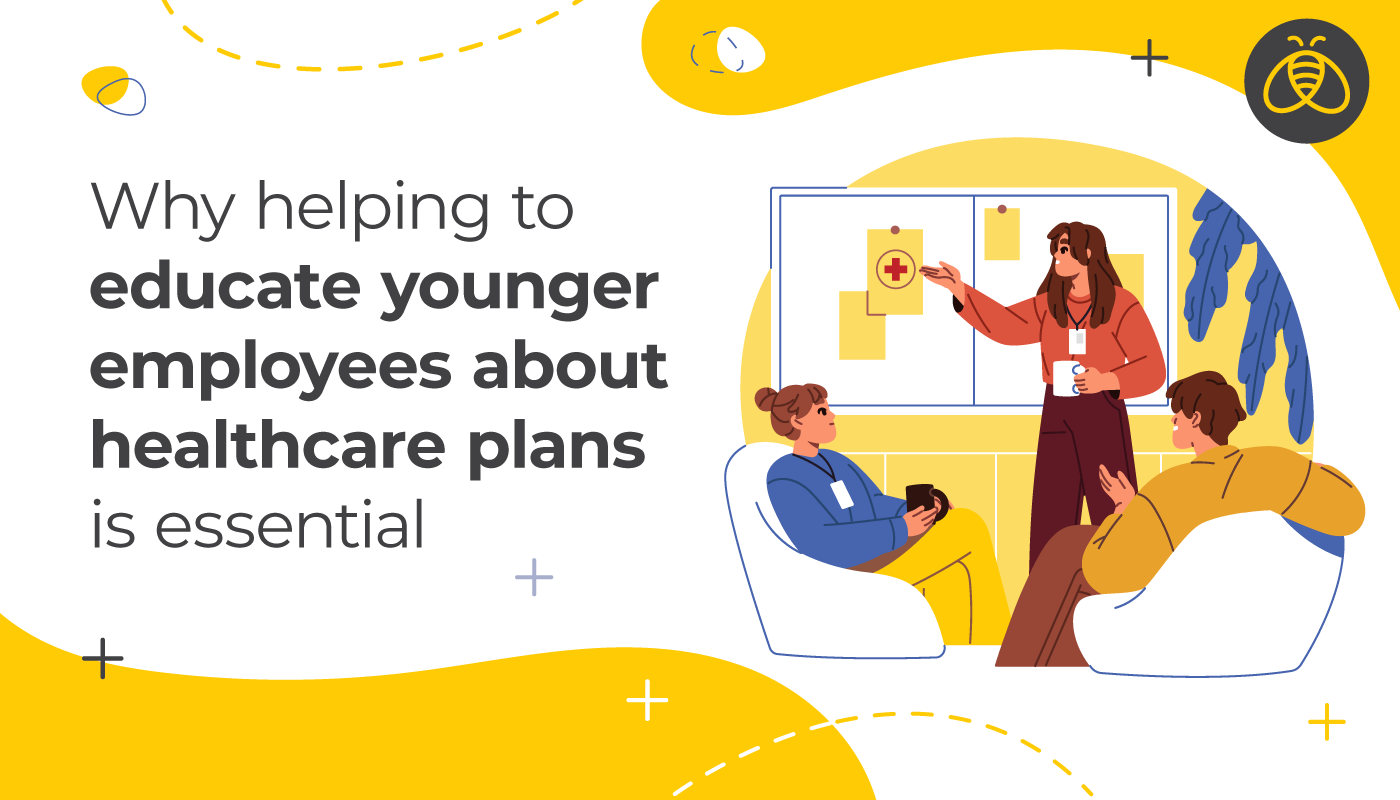
Why helping to educate younger employees about healthcare plans is essential
By: Benefits by Design | Tuesday May 12, 2026
Updated : Wednesday April 8, 2026

It is no secret that medical premiums and auxiliary benefits can take a big bite out of a person’s paycheck. If you have younger employees who are just starting out, managing these expenses while trying to build financial independence can be a real struggle. This is a common challenge for Gen Zers entering the workforce.
The plans you offer can help to provide support, but their value disappears quickly if your workforce is confused about how they work. To really help them see the value of their compensation, it’s important to guide them beyond the enrollment form to the details.
Why helping to educate younger employees about healthcare plans is essential
There are a few main reasons why talking to Gen Z team members about their benefits is so important. For starters, it helps them see the real value of the premiums they pay. Many early-career professionals may not think too much about medical plans or extra benefits until they actually need them.
When younger employees understand the limits and depth of their coverage, they are much better prepared to handle a crisis. This knowledge gives them the confidence to navigate the healthcare system effectively when it matters most.
Guidance also helps staff get the most out of the resources available to them. For example, many medical plans cover 100% of wellness visits, such as flu shots or routine annual checkups.
However, many workers remain unaware of these features unless leadership speaks up. When employees have a clear view of their options, they can focus on preventive care and potentially avoid more serious health complications later on.
Finally, keeping your team informed is a great way to build professional trust. If the business isn’t diligent about meeting COBRA requirements, or if employees feel that the details of their coverage are being glossed over or hidden, it can lead to frustration and skepticism. On the other hand, when a company prioritizes clarity and open dialogue, it fosters loyalty and mutual respect between the organization and its talent.
Benefit types and education methods for Gen Z employees
7 Employee Benefits for Young Workers (Millennials and Gen Z)
Healthcare
Medical coverage is a core benefit that every employee needs to understand. With the cost of care rising, it is more important than ever for workers to understand how their insurance plans actually work.
When you teach younger professionals about these perks, try surveying the team first to see which insurance features they value most, and which features they don’t understand. These insights can help you build a training plan that covers the specific things they don’t know. You should also provide clear guidance on where they can go to learn more about their coverage options, especially when using flexible plan options.
Dental and vision
Oral and eye care are big deals for staff in their twenties. These costs are often a major part of a personal budget. Many younger employees don’t realize how vital this coverage is until they have a painful toothache or blurry vision.
By teaching your Gen Z workforce about the value of these perks now, you can help them stay healthy and avoid expensive repairs later in their careers. A good way to share this info is through a quick video seminar or a lunch-and-learn workshop.
You can also put specific insurance details right in your company manual. Make sure the staff understands their policy limits and the process for filing a claim. Using a digital training module is another great move. This is a helpful resource for anyone who can’t attend a live meeting.
Retirement
One of the best benefits a company can offer is a retirement plan. For many recent grads, this is their first time learning about how to build long-term wealth. Because of this, it’s essential that they understand how these systems work and what options they have.
The best way to teach younger staff about retirement is to provide resources that simplify the big ideas. This might include guides on how much to save or descriptions of different account types and their tax rules. Graphs showing exponential growth of their contributions can also motivate younger employees to start saving earlier. You should also encourage employees to talk to a financial advisor for personalized advice on their long-term strategy.
Disability insurance
Income protection is a benefit that every employee should recognize. This coverage acts as a financial safety net if an injury or illness keeps someone from working. Even though many young professionals feel like they are invincible, they need to understand the risks of not having a backup plan.
When you talk to younger workers about disability policies, it helps to highlight the risks of going through their careers without a safety net. Hosting safety and wellness seminars is a great way to explain why this matters. These sessions give staff a chance to ask questions and dig into the details. You should also put disability benefit summaries in your digital employee handbook for easy access.
What is Long Term Disability Insurance and How Does it Work?
Help your entire workforce understand the value of your benefits program
Younger employees often lack the foundational skills needed to understand all their workplace benefits effectively. It is up to companies to step in and explain why these programs matter and how the insurance actually works.
Taking this step shows a real commitment to the team’s long-term security. It also empowers them to choose a path that offers peace of mind instead of financial stress in the future.
From the beginning of their career to retirement, follow the life insurance journey of an employee
Should Young People Get Life Insurance? If So, When?
Author Bio: Frank Mengert
Frank Mengert continues to find success by spotting opportunities where others see nothing. As the founder and CEO of ebm, a leading provider of employee benefits solutions. Frank has built the business by bridging the gap between insurance and technology driven solutions for brokers, consultants, carriers, and employers nationwide.