

 Back
Back
Are your employee benefits decisions solving the right problems?
By: Benefits by Design | Tuesday September 1, 2026
Updated : Monday August 31, 2026

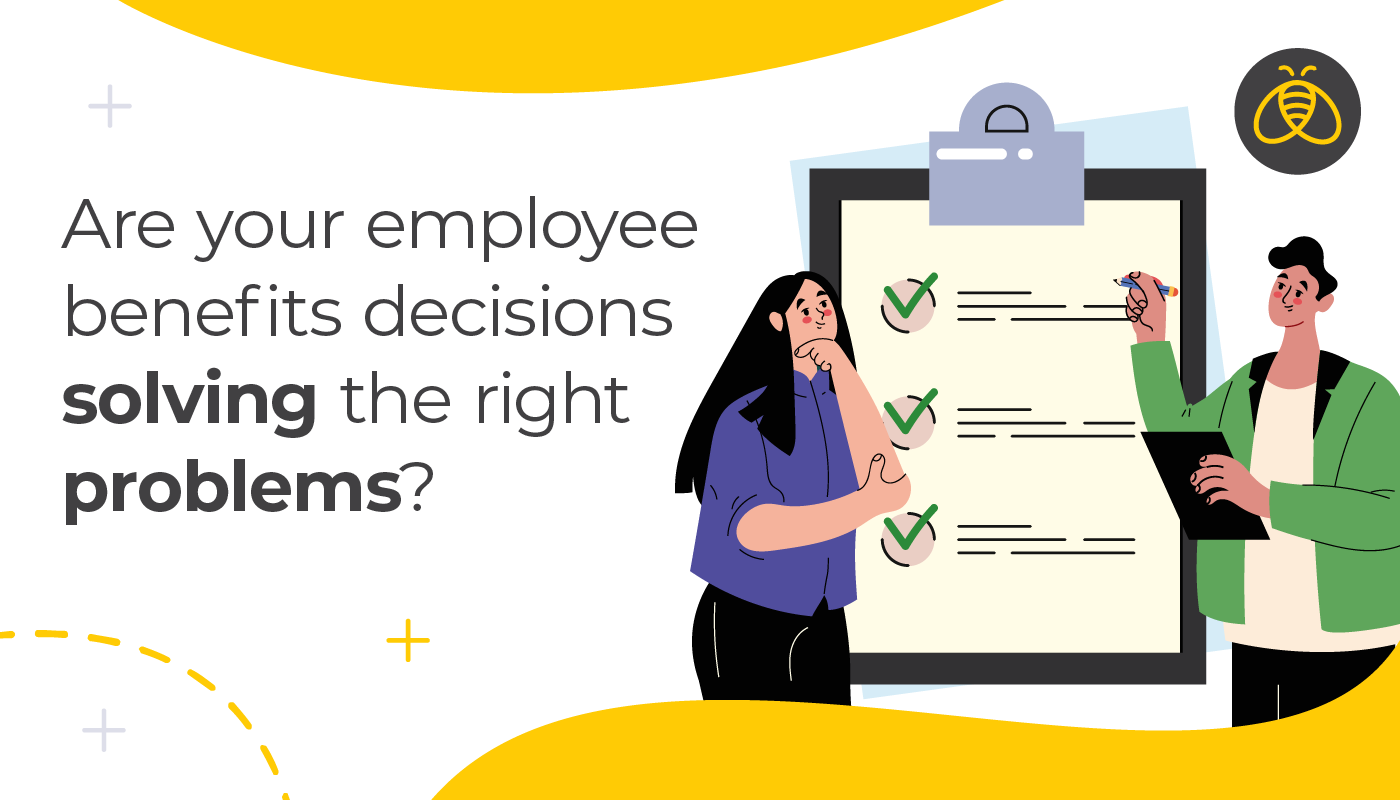
When employers evaluate their insurance plans and make benefits decisions, the conversation often centres around coverage, cost, and employee requests. Should you add a new benefit? Increase coverage? Reduce expenses? Match what competitors are offering?
While these questions are important, they can distract from a much more fundamental one: What are you trying to achieve with your employee benefits plan?
Without a clear answer, benefits decisions can become reactive rather than strategic. New coverages are added over time, costs continue to rise, and employers may struggle to determine whether their plan is truly supporting their workforce and business objectives.
The most effective employee benefits plans don’t start with products. They start with purpose.
[Free Download] A Guide to Finding Your Employee Benefits Philosophy
The challenge with reactive benefits planning
Over time, many benefits plans evolve as a series of independent decisions.
Perhaps a new coverage is added because an employee requested it. Maybe a benefit is introduced to stay competitive in the labour market. Some decisions are driven by renewal discussions, while others are inherited from previous years and remain in place simply because they’ve always been there.
On their own, these decisions may make sense. Collectively, however, they can create a benefits plan that lacks focus.
Without a clear strategy, employers may find themselves asking:
- Are we investing in the benefits that matter most to our employees?
- Are we supporting our business goals?
- Are we getting value from our benefits spend?
- How do we decide which priorities should come first?
These questions can be difficult to answer when there is no defined framework guiding benefits decisions.
Start with outcomes, not benefits
Before selecting specific coverages, employers should first define what they want their benefits plan to accomplish.
A benefits philosophy helps organizations identify the goals and outcomes that matter most to them and use those priorities to guide future benefits decisions. A benefits philosophy represents an employer’s approach to benefits, including the reasons behind their decisions and the outcomes they hope to achieve. It should be closely connected to both company values and employee needs.
While every organization is different, common goals often include:
- Supporting happy, healthy, and productive employees
- Managing costs and improving predictability
- Providing protection against unexpected and catastrophic health expenses
- Supporting employee mental health and wellbeing
- Attracting and retaining talent
When employers clearly understand their priorities, benefits decisions become easier because they can be evaluated against a defined objective.
A simple way to evaluate benefits decisions
When considering changes to a benefits plan, it can be helpful to take a step back and ask a few strategic questions:
What problem are we trying to solve?
For example, are you hoping to improve employee wellbeing, address recruitment challenges, provide financial protection, or create greater budget certainty?
What matters most to employees?
Employee needs can vary significantly depending on workforce demographics, company culture, and industry. Gathering employee feedback can help identify trends and highlight the coverages employees value most. The e-book recommends polling employees, where possible, to understand which benefits they would like prioritized.
How does this align with our company values?
Benefits are often a reflection of what an organization prioritizes. A company that places a strong emphasis on employee wellbeing may make different benefits decisions than one that is primarily focused on cost predictability or risk management.
How will we measure success?
Defining success upfront creates a valuable benchmark for future decision-making and helps ensure benefits investments continue to support organizational goals.
Connecting priorities to benefits solutions
One of the biggest advantages of defining a benefits philosophy is that it helps employers connect their priorities to appropriate benefits solutions.
For example, an organization focused on cost control and predictability may prioritize solutions that offer flexibility and budget management. An employer concerned about protecting employees from significant and unexpected medical expenses may focus on catastrophic coverage options. Organizations looking to support employee wellbeing may place greater emphasis on health, wellness, and mental health-related benefits.
There is no universal “best” benefits plan. The right solution depends on the goals an employer is trying to achieve and the needs of the people they support.
This is why understanding the “why” behind your plan is often more valuable than comparing individual benefits in isolation.
Determining an Employee Benefits Philosophy for a Multigenerational Workforce
Your benefits strategy should evolve with your business
A benefits philosophy is not something organizations create once and forget.
As businesses grow, workforce demographics shift, and employee expectations evolve, benefits priorities may change as well. What was important three years ago may not be the primary concern today.
Reviewing your benefits philosophy regularly can help ensure your plan continues to align with both organizational goals and employee needs. It also provides a useful framework for evaluating future opportunities and making confident, informed decisions.
The bottom line
A successful employee benefits plan is not measured by the number of coverages it includes. It’s measured by how effectively it supports the outcomes that matter most to your business and employees.
Before making your next benefits decision, take a step back and ask a simple question: What problem are we trying to solve?
The answer may reveal opportunities to build a benefits strategy that is more focused, more effective, and better aligned with your long-term goals.
Looking for help getting started? Our Finding Your Employee Benefits Philosophy guide can help you build a benefits strategy that reflects your values, supports your employees, and helps achieve your business objectives.
Download the Finding Your Employee Benefits Philosophy E-book to identify the priorities that should shape your benefits strategy.
PDF (566 KB)